Global Exposure via One ETF
Vanguard FTSE All-World UCITS ETF, ticker VWCE, consolidates stocks from over 3,000 companies worldwide. It includes giants from the US, Japan, Europe, and emerging markets like China and Brazil. Investors gain access to more than 90% of the global investable equity market. The ETF tracks the FTSE All-World Index and was launched in 2018. With a total expense ratio (TER) of 0.22%, its fees remain competitive within European UCITS products.
For example, a Dutch investor holding VWCE benefits from exposure to Microsoft, Nestlé, Samsung, and TSMC simultaneously, in a cost-effective way that sidesteps foreign tax issues often encountered when purchasing US-traded ETFs.
Challenges Investors Face
Equity diversification in EU portfolios usually pushes investors to buy multiple ETFs or funds, which increases fees and complexity. Many avoid emerging markets due to perceived risk or unfamiliarity, missing long-term growth drivers. Tax inefficiencies arise when buying US-domiciled ETFs due to withholding taxes on dividends that are hard to reclaim for European investors.
VWCE solves some of these but introduces others: it’s large-cap heavy (over 90% large cap), so small-cap growth companies rarely feature. Investors often incorrectly assume its holdings match US-listed Vanguard ETFs precisely, but the index and domicile are different. The choice between accumulating or distributing versions can affect income tax treatment in certain member states.
Practical Steps to Use VWCE
Choose the Accumulating Share Class
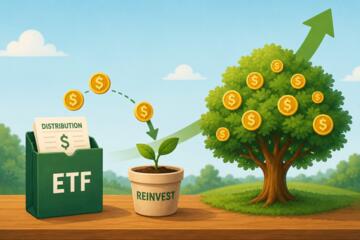
Accumulating versions retain dividends instead of distributing them, which can be tax advantageous in countries like Germany and the Netherlands. Investors should verify local tax laws first. VWCE's accumulating fund version reinvests dividends automatically, simplifying portfolio rebalancing and growth tracking.
Use a European Broker
Select brokers like DEGIRO, Interactive Brokers, or Trade Republic which offer VWCE trading with low or no deposit fees. Brokerage platforms domiciled in the EU reduce foreign tax leaks and ease compliance with reporting requirements. Some brokers impose a foreign exchange fee when transactions are not done in EUR.
Monitor Currency Exposure Carefully
VWCE is EUR-denominated but holds stocks priced in multiple currencies (USD, JPY, GBP…). Currency swings impact returns, and VWCE does not hedge this exposure. Investors should assess their own currency risk tolerance. For example, in 2023, USD/EUR variance altered the reported ETF return by around 4% for European holders.
Apply Tax Reporting Tools
Use tools like Koinly or CoinTracker that support European tax regimes to simplify dividend and capital gains reporting. VWCE issues annual tax vouchers necessary for tax filings. In countries like France and Italy, specific tax treaties affect withholding rates. Investors lacking tax software often stumble here.
Integrate VWCE as Core Equity Holding
In multi-asset portfolios, VWCE fits as the central equity allocation, complementing bonds, real estate funds, or thematic ETFs. Its broad market coverage reduces need for adding regional equity funds. As of March 2024, VWCE represents about 15% of the average retail client's equity exposure in various EU-based advisory firms.
Rebalance Periodically
Rebalancing twice a year aligns portfolio risk with the investor's target asset allocation. VWCE’s market-cap weighting auto-adjusts individual country and sector exposure but may drift over time relative to bonds or alternatives. Scheduled reviews using tools like Portfolio Performance (version 0.69.1 supports VWCE import) aid consistency.
Watch for ETF Liquidity
VWCE trades large volumes daily on Xetra and London Stock Exchange, with average daily volume exceeding 200,000 shares recently. This liquidity ensures tight bid-ask spreads, reducing trading cost. Avoid smaller venues or hours when spreads widen, like right at the open.
Compare Costs to US ETFs
Although US-listed ALLW (Vanguard Total World Stock ETF) has a lower TER (0.08%), EU investors face dividend tax inefficiencies. VWCE's higher 0.22% fee includes tax efficiency and compliance benefits. In net terms, VWCE may deliver better after-tax returns for local investors.
Keep Track of Index Rebalancing
FTSE updates the All-World Index quarterly, adding or removing constituents. VWCE adjusts holdings accordingly, which can cause minor tracking error. ETF providers publish monthly reports; staying updated helps those actively monitoring performance anomalies.
Investor VWCE Scenarios
A 35-year-old German software engineer used VWCE as a single ETF for equity exposure in her pension plan. Initially skeptical of its all-cap approach, she trusted data: 97% of the portfolio in large caps historically reduced volatility. Over five years, her returns averaged 9.1% annually, slightly beating the MSCI World.
Another investor, a French expat in the Netherlands, wanted avoiding dividend payouts' tax complexity. VWCE’s accumulating share class suited him. He reports simplified tax filings and reinvested growth without manual effort, an unintended but welcome consequence.
Evaluation Table
| Feature | VWCE | US ALLW | Typical EU ETF |
|---|---|---|---|
| TER | 0.22% | 0.08% | 0.30%–0.50% |
| Tax Efficiency | High | Low | Varies |
| Market Coverage | Global (>3,000 stocks) | Global (~3,900 stocks) | Regional or Focused |
| Dividend Handling | Accumulating/Distributing | Distributing | Varies |
| Liquidity (Daily Vol.) | 200K+ shares | 300K+ shares | Varies widely |
Frequent Errors to Dodge
Ignoring currency risk can distort return expectations. VWCE holds many USD assets, fluctuating against EUR. Some investors assume it hedges this—nope. Also, picking distributing shares without checking tax impacts leads to surprising bills in several EU states.
Others skip brokerage fee comparisons, ending up paying 0.5% per trade or more, which eats into long-term gains. Rebalancing too often defeats the fund’s passive nature and accumulates costs. Finally, presuming index equivalence between VWCE and US All-World ETFs causes misleading performance benchmarks.
FAQ
What is VWCE’s base currency?
VWCE is quoted in euros (EUR) on major European exchanges like Xetra and London Stock Exchange.
Does VWCE distribute dividends?
VWCE offers both accumulating and distributing share classes; most EU investors prefer accumulating for tax reasons.
How much does VWCE cost annually?
The total expense ratio is 0.22%, covering management fees and operational costs.
Is VWCE suitable for retirement portfolios?
Yes, its global diversification and low costs make it common for long-term retirement investing across the EU.
Can I buy VWCE through any broker?
Only brokers with access to European exchanges listing VWCE can trade it; popular platforms include DEGIRO, Trade Republic, and Interactive Brokers.
Author's Insight
Using VWCE in my personal portfolio gave me broad equity exposure without juggling five or six regional ETFs. The accumulating version in particular reduces tax paperwork each year — a relief for those who dislike forms. Tracking quarterly index changes matters if you rebalance often, even though the fund mostly manages itself. Beginners must check their broker's fees carefully; trading cost surprises still catch many off guard.
Key Takeaways
VWCE delivers a wide-reaching, efficient way for European investors to own global equities in a single ETF. Being mindful of share class, currency exposure, and brokerage options maximizes its effectiveness. It suits portfolios looking for core equity building blocks over the long run, combining Vanguard's known index approach with a low-cost product structure. Regular reviews and tax planning finish the picture.