2-Fund Strategy Basics
The 2-fund portfolio simplifies investing by focusing on broad market exposure through two main assets: equities and bonds. For European investors, this often translates to an allocation mixing a Europe-focused equity ETF and a Eurozone government bond ETF. According to Morningstar, diversified European equity funds have averaged around 6.5% annual returns over the past decade, while Eurozone bonds have typically yielded between 0.5% and 2%, depending on duration and credit quality.
Think of a portfolio holding an MSCI Europe ETF and an iShares Euro Government Bond 7-10yr UCITS ETF. The goal: to capture growth while dampening volatility. Recent volatility in European markets demonstrates the benefit of bond allocation, which cushioned portfolios during the 2022 downturns.
This approach works well for those who want to avoid thousands of individual stocks or complex instruments but still aim for diversified growth and income.
Common Portfolio Errors
Many European investors make the mistake of over-concentrating on home bias. For example, putting 100% into a single country's stock index can lead to unnecessary risk. This is risky due to economic cycles varying widely across the continent. Another frequent error: underestimating the role of currency risk, especially when funds include holdings outside the eurozone.
Overweighting high-yield bonds without understanding credit risk leads to unexpected losses during downturns. Investors often overlook inflation's impact, which has recently eroded fixed income returns. This can turn what looks like a steady strategy into one that fails to keep pace with living costs.
Ignoring fees is another pain point. Active funds or ETFs charging above 0.5% in Europe can drag returns sharply over a decade. Yet, many investors stick with expensive funds due to brand recognition, not cost-effectiveness.
How to Build and Manage It
Choose Broad Equity Exposure
Start with a low-cost, broad-based European equity ETF, like the Vanguard FTSE Developed Europe UCITS ETF (VEVE). It holds over 400 stocks spanning major sectors and markets in Europe. The low expense ratio (~0.10%) supports compounding over time. This choice captures market-wide growth, not just large-cap leaders.
Select Quality Bonds
The bond fund anchors the portfolio's stability. The iShares Euro Government Bond 7-10yr UCITS ETF (IBGM) is a common choice, offering exposure to investment-grade sovereign debt with moderate duration. Given the European Central Bank's changing policies since 2021, duration risk must be monitored closely to avoid losses when rates rise.
Decide the Allocation
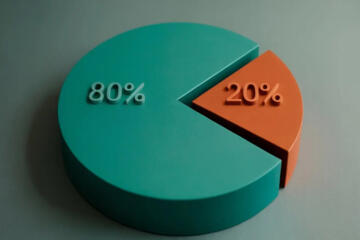
A typical 60/40 split leans toward growth but minimizes big swings. Conservative investors may favor 40/60. Adjust based on age and risk tolerance. Rebalancing annually maintains this balance. Don't automatically rebalance quarterly; transaction costs in European brokerages like DEGIRO or Interactive Brokers can eat returns.
Use Cost-Efficient Brokers
Platforms popular in Europe, like Trade Republic or eToro, offer commission-free ETF trading. This keeps costs low and supports disciplined investing. Beware the occasional spreads on less liquid ETFs, which might spike unexpectedly during market stress.
Replace Home Bias with Regional Diversification
Complement core European holdings with global ETFs if you want extra diversification. The 2-fund model restricts complexity but adding a small non-Eurozone portion via MSCI World UCITS ETF sometimes helps balance geopolitical risks. This, however, depends on your portfolio size and tax situation.
Track Performance with Simple Tools
Use free trackers like Portfolio Performance (version 0.57.3 as of May 2024) or the Morningstar portfolio tool. These show real-time gains, asset allocation drift, and dividends reinvested. That information clarifies whether holding or tweaking makes sense.
Consider Taxation Impact
European investors face varied tax rules on dividends and capital gains. For example, German investors may prefer accumulating ETFs to minimize paperwork. Knowing local tax rules reduces surprises and supports net return maximization.
Stay Disciplined Through Volatility
Market downturns test patience. During the 2020 pandemic drop, bond holdings helped limit portfolio losses to about 15% vs. over 30% for pure equity funds in Europe. Sticking to the plan avoids emotional selling, which typically crystallizes losses.
Review and Adjust Every 1–2 Years
Major life or market changes might call for rebalancing the exact fund mix or weightings. Sometimes a fund's investment mandate evolves—like expanding into new sectors—which should prompt review.
Portfolio in Practice
A small tech company executive in Paris built a 70/30 Europe equity to bond portfolio using VEVE and IBGM ETFs. In 3 years, he averaged 6.2% returns annually. The bond part reduced volatility when inflation fears spiked in 2022. His ongoing cost was under 0.2% annually, thanks to the low-fee funds and a DEGIRO account.
Similarly, a retiree in Italy allocated 50/50 between the iShares Euro Government Bond ETF and a MSCI Europe ETF from Amundi. By focusing on accumulating share classes, he avoided complex dividend tax filings and maintained steady income by occasionally shifting bond duration.
Portfolio Breakdown
| Element | Type | Example Fund | Annual Return |
|---|---|---|---|
| Equities | Growth | Vanguard FTSE Developed Europe (VEVE) | 6.5% |
| Bonds | Stability | iShares Euro Govt. Bond 7-10yr (IBGM) | 1.3% |
| Broker | Execution | DEGIRO, Trade Republic | Low Cost |
| Tracker | Monitoring | Portfolio Performance 0.57.3 | Free |
Typical Pitfalls to Dodge
Fail to rebalance often. Risk shifts quietly over months, and some binge traders rebalance too often, losing money in commissions. But forgetting it entirely lets allocation stray so far you take much more risk than planned. Keep an eye, but don't overdo it.
Ignoring inflation is another trap. Bonds used to protect portfolios but low yields and inflation over 5% during 2022-2023 turned that logic upside down briefly. Adjust bond duration or add inflation-linked products if you care about real purchasing power.
Choosing accumulating ETFs without confirming tax treatment leads to surprise bills. Not everyone reports dividends in the same way, and national tax rules vary. This oversight—common, but avoidable—makes a smooth plan complicated.
Endless tinkering is a losing game. Investors who chase every quarterly market noise end up missing gains or triggering tax events unnecessarily. Slow and steady wins.
FAQ
What’s the best bond allocation?
It depends on risk tolerance. For growth-focused, 30–40% bonds is common. For conservative, 50–60% or more is typical.
Should I include non-European funds?
Adding global exposure diversifies risk but complicates currency and tax matters. Stick to two funds for simplicity, unless you manage these well.
How often should I rebalance?
Annual rebalancing balances transaction cost and risk drift. Quarterly rebalancing often results in unnecessary trades.
What about fees in European ETFs?
Look for fees under 0.2%. Popular European ETF providers include Vanguard, iShares, and Amundi.
Does currency risk affect this portfolio?
Yes. Equity funds in other currencies expose you to exchange fluctuations unless hedged, which adds costs.
Author's Insight
In my years advising European clients, I found the 2-fund setup cuts through complexity while delivering consistent results. The tricky part is choosing funds you trust and sticking through volatility. I’ve seen investors panic in 2011 and 2022, only to miss rebounds. The magic lies in discipline. Also, small things like tax nuances and transaction costs often sway net returns more than market timing.
Final Thoughts
The 2-fund portfolio offers European investors a practical way to pursue growth with controlled risk. By selecting diversified Europe equity and quality Eurozone government bonds and rebalancing annually, investors keep costs low and volatility manageable. Use tax-aware accumulating funds and reliable platforms to support this strategy. Avoid frequent changes, keep fees minimal, and stay patient through market swings. Finally, track progress with simple tools and adjust for life changes every couple of years.